Anthropic 技术栈里的「五宗罪」由何而来?
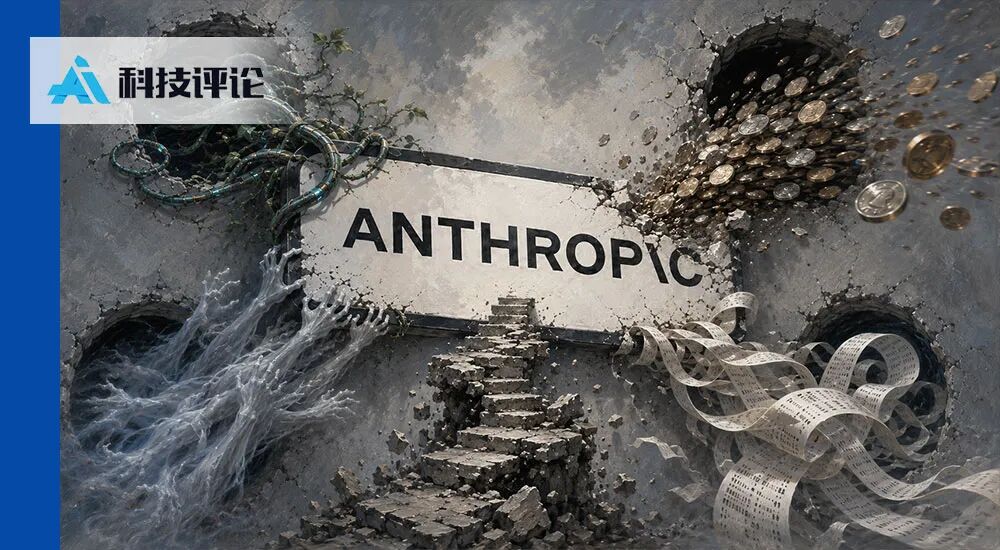
TL;DR - An analysis of five interacting weaknesses in Anthropic’s Claude stack argues that long-running coding-agent reliability is increasingly constrained by generation constraints, test-time compute, context-state confusion, lossy compaction, and self-reinforcing errors—not just model capability.
- Machine-readable markers and other protocol constraints may be especially costly for low-entropy code, where few valid token alternatives exist, though Anthropic has not disclosed Claude’s marking mechanism.
- Adaptive reasoning effort turns model tiers into test-time compute curves; premium models may show meaningful advantages mainly on long, complex agent trajectories rather than routine coding tasks.
- Large context windows provide capacity but not state consistency: append-only histories contain obsolete code, hypotheses, and test results that can interfere with recovering the current state.
- Reliable agents need state-preserving compaction and external feedback mechanisms—such as Git diffs, tests, checkpoints, rollback, and independent evaluators—to detect and recover from errors they introduce.