终端侧AI:从单点应用走向智能体体验
Ranking
Overall
61
Content
65
Popularity
N/A
No observed public metrics; popularity remains neutral/archived.
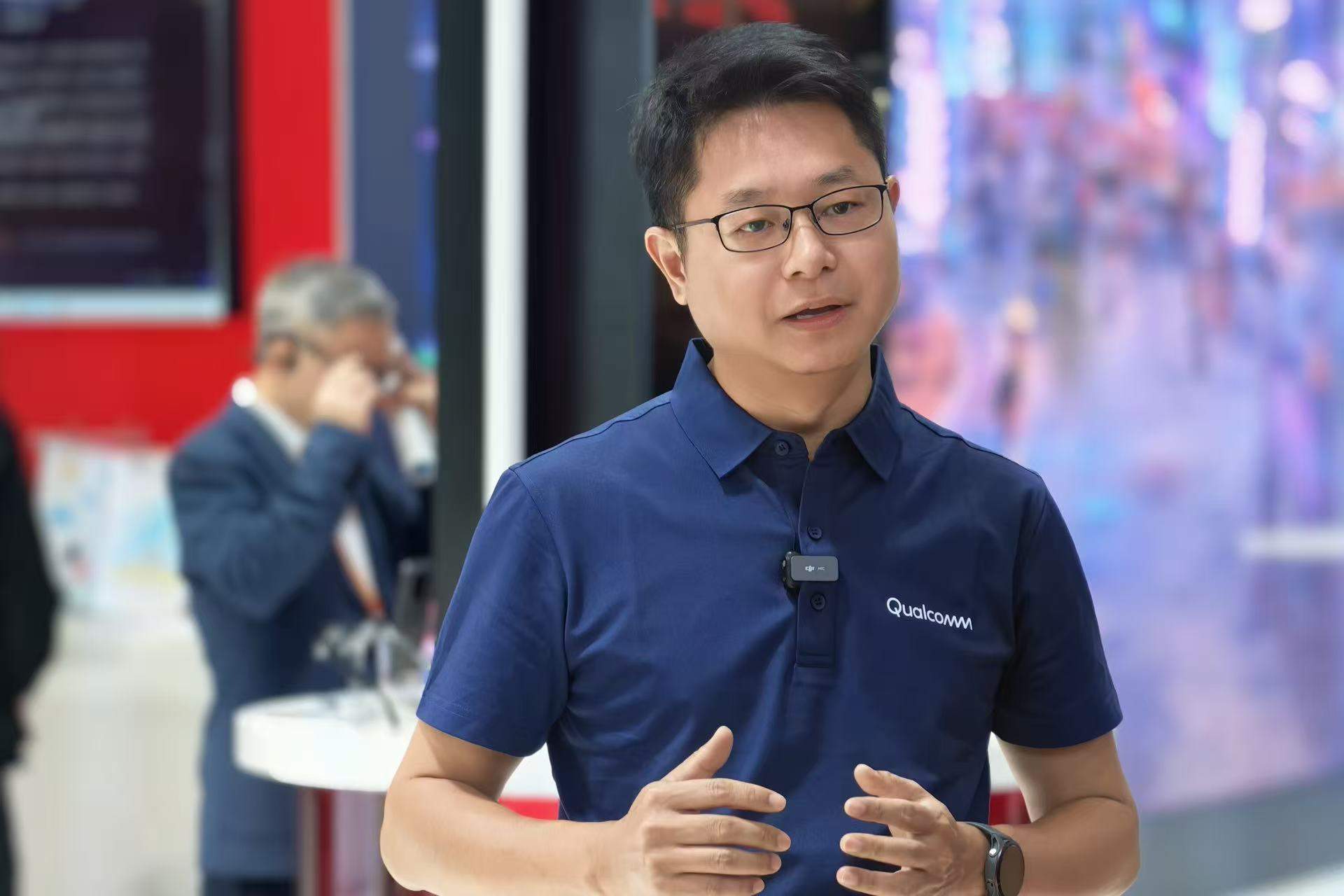
Merged summary
TL;DR — 高通展示端侧 MoE 智能体,通过模型、推理、存储与芯片协同优化,在设备资源受限条件下实现更复杂、私密且低延迟的系统级自动化。
- MoE 仅激活与任务相关的专家,在降低实际计算量的同时扩大模型容量。
- 专家预测、预取、缓存及 UFS 到内存的高速加载可缓解 DDR 带宽瓶颈。
- 演示涵盖意图理解、任务编排和实时应用操作,由高通与 Infris AI、江波龙及阶跃星辰合作实现。
- “端侧优先”的云边架构兼顾延迟、可靠性、隐私、个性化与云端智能。
注: 第二则来源讨论 AI 写作检测,与该工作主题无关,因而未合并其内容。
Sources (2)
终端侧AI:从单点应用走向智能体体验
Public signals
N/A
TL;DR - Qualcomm showcased an on-device MoE agent that combines model, inference, storage, and chip optimizations to support more complex agentic tasks under device constraints. The approach could move edge AI beyond isolated features toward private, responsive system-level automation.
- MoE activates only task-relevant experts, reducing active computation while enabling greater model capacity.
- Expert prediction, prefetching, caching, and faster UFS-to-memory loading help mitigate DDR bandwidth bottlenecks.
- The demo supports intent understanding, task orchestration, and real-time app operation through work with Infris AI, Longsys, and StepFun.
- Qualcomm advocates an “on-device first” cloud-edge architecture balancing latency, reliability, privacy, personalization, and cloud intelligence.
为了去AI味,人类开始主动写烂文章了……
Public signals
N/A
TL;DR - AI detectors are reshaping human writing: authors increasingly add errors or avoid polished rhetorical patterns to appear human. This risks turning opaque detection heuristics into harmful linguistic norms.
- Detectors commonly assess predictability (“perplexity”) and structural variation (“burstiness”), but provide only probabilistic estimates.
- Writers may deliberately use typos, irregular syntax, or “humanization” tools to reduce detection scores.
- False-positive controversies have reportedly cost authors publishing deals, distribution, and award consideration.
- “Human Authored” certification reflects growing demand for verifiable human-created writing.