全国第三,公司第二,“初创黑马”灵犀智涌用ROSS Harness把机器人送进工业具身智能第一梯队
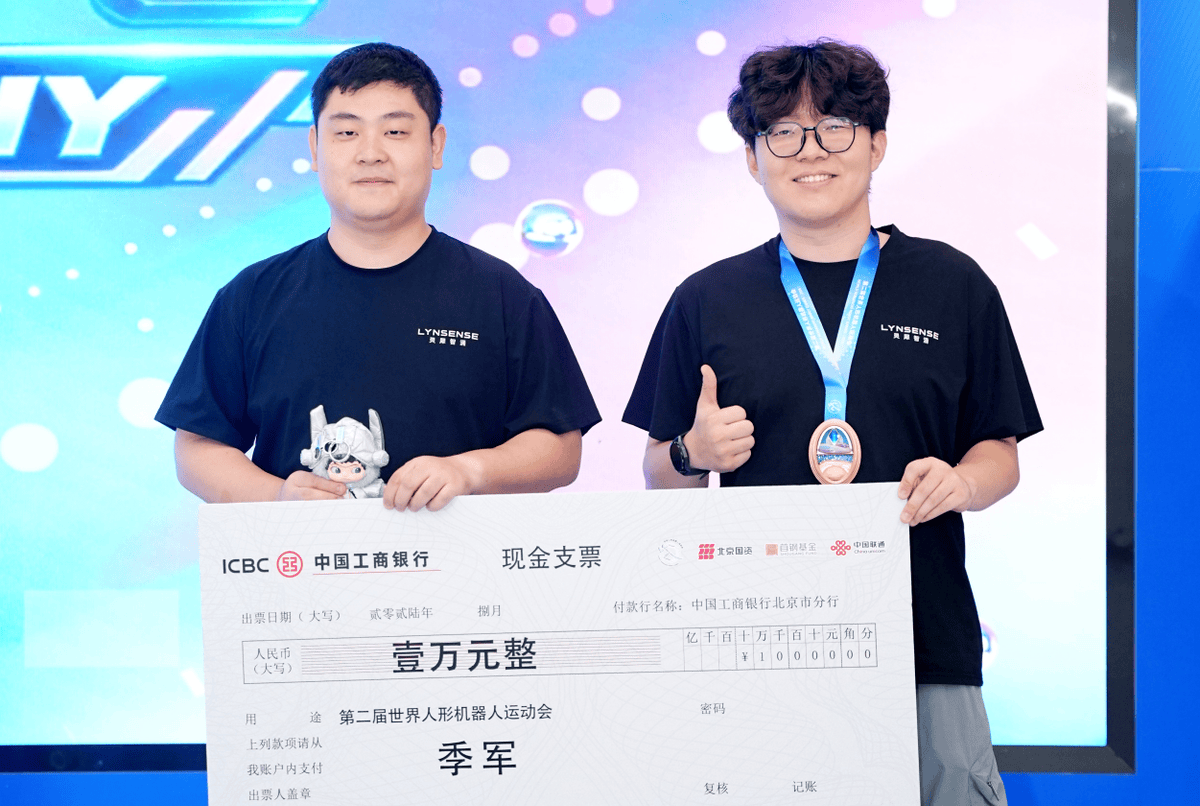
TL;DR - Chinese startup Lingxi Zhiyong says its ROSS Harness helped a demo-grade robot place third nationally in an industrial assembly competition by turning probabilistic embodied-model outputs into stable, recoverable workflows. The approach targets factory deployment bottlenecks through system-level orchestration rather than relying solely on larger models or better hardware.
- ROSS standardizes VLA and world-action models behind shared interfaces, while packaging models, tools, constraints, and recovery logic into reusable Skills.
- An agent decomposes long-horizon tasks and orchestrates Skills, with layered monitoring enabling interruption, retries, rollback, substitution, and replanning after failures.
- Execution context, failures, human interventions, and recovery paths feed a data flywheel that improves Skills, scheduling, memory, and models without requiring full model retraining each time.
- The company pairs ROSS with its CONWAY industrial model and reports validation in machine loading, precision screwdriving, and stator pressing, though the article provides no detailed production metrics.