王田苗三问具身大牛:大模型还在「拨号上网」,机器人靠什么拿下真实订单?| WRC 2026
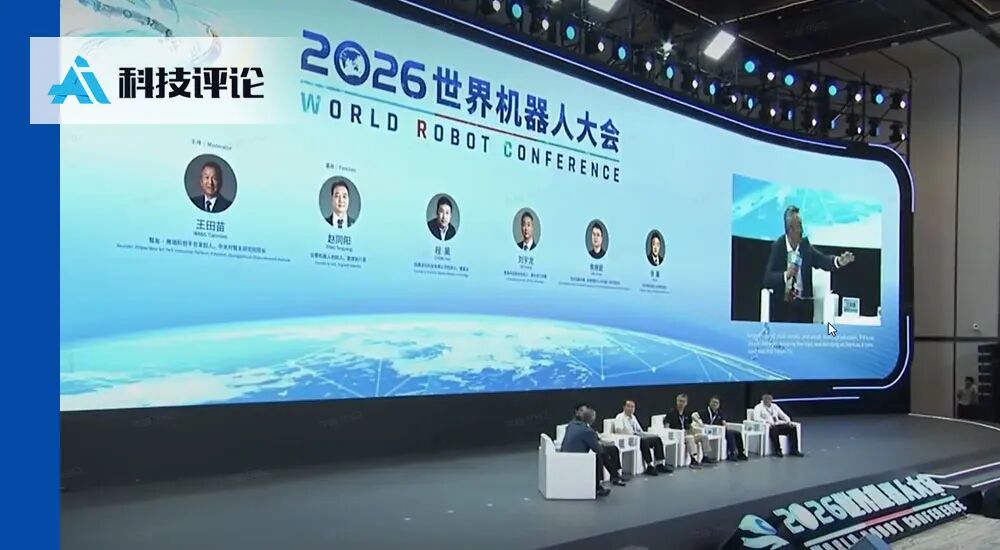
TL;DR - At WRC 2026, Chinese robotics executives debated what blocks embodied AI from moving beyond demos to mass deployment: unreliable models, immature hardware supply chains, scarce multimodal data, and weak customer ROI. The consensus was to commercialize first in constrained industrial settings while improving general-purpose capabilities.
- Real deployments demand far greater reliability than the roughly 96% task success attributed to current embodied models, especially in safety-critical production environments.
- Hardware variation complicates model transfer across robots, while inconsistent manufacturing, missing standards, and immature quality-control processes hinder scaling to thousands of units.
- Progress requires more real-world vision, touch, and force data—and potentially architectures designed specifically for closed-loop perception, decision-making, and control.
- Near-term growth is expected in high-need, semi-structured tasks such as inspection, logistics, sorting, and emergency response, where deployment costs and ROI are easier to justify.